

What Are Typical Fitness Program Options for Seniors in Assisted Living?
Most assisted living communities serving Pitcairn offer a variety of movement-based activities aimed at supporting health, social connection, and daily energy. Residents can expect a mix of structured group classes, informal activity opportunities, and access to safe walking areas or indoor exercise spaces. Common program elements include gentle chair exercises, guided stretching, balance training, and occasionally light strength or flexibility routines. These programs are often tailored for different mobility levels and can be adapted for those who use walkers, canes, or wheelchairs.
In the local area, weather and seasons play a role: programs may shift inside during cold winters or periods of rain. Outdoor walks or gardening sessions might be scheduled when conditions are pleasant, using patios, common gardens, or safe sidewalks that are available within assisted living communities.
Why Do Seniors in Assisted Living Benefit from Fitness Activities?
Movement helps maintain independence, reduce fall risks, and support emotional well-being. Engaging in even modest regular activity offers benefits such as:
- Preserving joint flexibility and muscle strength for daily tasks
- Improving balance to help prevent common falls
- Supporting heart health and circulation
- Lifting mood and reducing symptoms of depression or isolation
- Encouraging interaction with other residents, building community ties
For residents in Pitcairn, familiar routines and group settings can make starting or continuing activity more comfortable. Local environmental factors—like seasonal weather or compact layouts—mean that indoor-friendly routines are especially valuable in the winter months.
What Types of Exercise Are Usually Included, and How Are They Modified?
Assisted living fitness programs regularly include:
- Seated exercises: Movements performed in chairs, focusing on arms, legs, neck, and core, suitable for many ability levels.
- Stretching sessions: Gentle classes or guided routines that improve flexibility and joint comfort.
- Balance drills: Standing or supported exercises using rails, tables, or sturdy chairs for increased stability.
- Light resistance training: Sometimes using elastic bands or light handheld weights, but always customizable based on individual health needs.
- Walking groups: Short distances, sometimes indoors through building hallways or safe outdoor paths when the weather allows.
- Mind-body activities: Simple yoga, tai chi-inspired moves, or guided breathing and relaxation sessions, which can be adapted for those with limited mobility.
Programs in Pitcairn frequently use furniture, small props, or easily available equipment, so residents do not need to supply their own gear.
Are Fitness Activities Safe for All Seniors in Assisted Living?
Safety is a top concern. Programs are usually led or monitored by trained staff familiar with the needs of older adults and individuals with chronic conditions. Before starting any new activity, residents are often encouraged to discuss plans with a healthcare provider, especially if they have:
- Recent surgery or falls
- Cardiovascular, lung, or balance problems
- Concerns about mobility or chronic pain
Activities are adapted for wheelchair users, those using walkers, or anyone with unique limitations. Residents should expect clear communication about which activities suit different comfort and ability levels. In wintry weather common to the region, outdoor activities may be replaced by supervised indoor walking or group exercise to minimize slipping hazards.
How Do Residents Stay Motivated to Participate?
Motivation can sometimes be a challenge, especially when trying something new. In the local community, residents tend to be more engaged when fitness routines are:
- Social and routine-based, such as regular group classes at set times
- Connected to hobbies (like gardening, dancing, or music-based movement)
- Non-competitive and low-pressure, focused on having fun rather than “winning”
- Supported by encouraging staff and peers who offer reminders and gentle encouragement
Sometimes activities are woven into everyday schedules rather than held as special events, making participation less intimidating for newcomers.
Common Misconceptions About Senior Fitness in Assisted Living
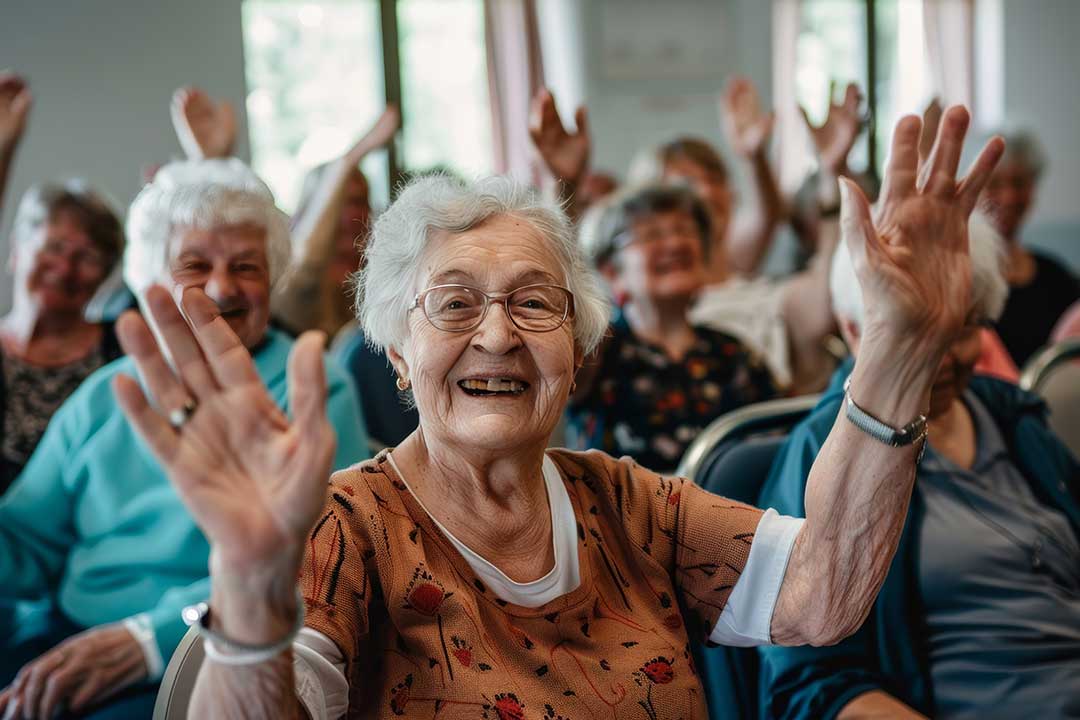
There are several myths that can keep residents from trying fitness options:
- “I’m too old to exercise.” Nearly all seniors can benefit from some movement, even very gentle stretching or breathing exercises.
- “Activities are too hard or risky.” Programs are designed for safety, and options can be tailored for different ability and energy levels.
- “You need gym equipment.” Most activities rely on chairs, balls, bands, and body weight; expensive gear is not required.
- “It won’t make a difference.” Even small, regular activity can boost energy, reduce pain, and improve daily function.
How Can Families Support Loved Ones with Fitness in Assisted Living?
Family members can encourage participation by:
- Asking about which activities are available and discussing interests or concerns
- Supporting healthy routines with calls or visits that include short walks or stretching
- Helping residents find comfortable clothing and shoes suited for movement
- Celebrating efforts and small achievements, not just physical progress
Staff can also share updates with families about how residents are engaging and thriving in the routines.
What Should Residents Ask About When Exploring Assisted Living Fitness Programs?
When considering options or adjusting existing routines, residents and families may want to ask:
- How are activities tailored for different ability levels?
- Are there options for those with chronic health concerns or recovering from injury?
- How is safety maintained during exercise sessions?
- Are activities indoors, outdoors, or both, especially during winter?
- What happens if a resident wants to try an activity but feels unsure?
Direct communication with staff, peers, and family helps tailor participation so that everyone feels comfortable, safe, and engaged in community life.
