
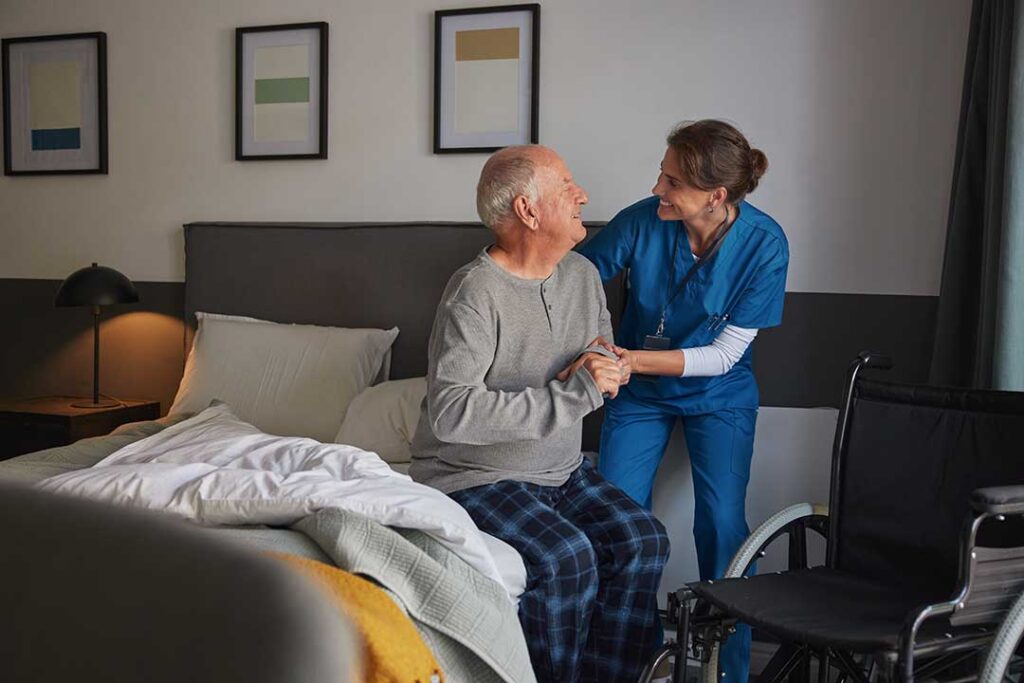
Why family participation in assisted living events matters
Family members often play an important role in helping an older adult feel connected, comfortable, and included in assisted living. Events are not only entertainment; they can support routines, relationships, memory, confidence, and a sense of belonging.
Participation does not always mean attending every activity. A family member might join a seasonal gathering, help with a craft, share a meal, attend a resident meeting, or simply encourage an older adult to try something unfamiliar. The most useful approach is to match involvement with the resident’s preferences, energy, health, and comfort level.
For households in Pitcairn, PA, planning may also need to account for winter weather, changing daylight, transportation limitations, and busy family schedules. A thoughtful plan can make visits easier without turning events into an obligation.
What types of assisted living events are available?
Assisted living events usually include a mixture of social, educational, recreational, cultural, and wellness activities. The schedule may change based on resident interests, staffing, seasons, and health precautions.
Common examples include:
- Holiday and seasonal celebrations
- Music, reading, or discussion groups
- Exercise, stretching, or balance activities
- Art, crafts, gardening, and cooking demonstrations
- Educational talks and resident forums
- Birthday gatherings and family socials
- Religious or spiritual programs
- Outdoor activities during suitable weather
- Intergenerational visits involving children or grandchildren
- Remembrance events for residents or community members
Some activities are designed for large groups, while others are quieter and better suited to people who tire easily, have hearing difficulty, or prefer limited social interaction.
Before attending, family members can ask what the event involves, how long it lasts, whether guests are welcome, and whether the resident needs assistance getting there. These details prevent confusion and help set realistic expectations.
How can a family member choose the right event?
The right event is usually one that reflects the resident’s interests rather than the family member’s idea of what should be enjoyable. A person who once enjoyed large parties may now prefer a small conversation group. Someone who dislikes crafts may be interested in a history presentation or musical program.
Consider these questions:
- Does the resident enjoy crowds, or prefer a quieter setting?
- Are there mobility, vision, hearing, or memory concerns?
- Will the event take place indoors or outdoors?
- Is the time of day suitable for the resident’s energy level?
- Will the event include unfamiliar people or a complicated schedule?
- Can the family member provide useful support without taking over?
It can help to offer two simple choices instead of asking an open-ended question. For example: “Would you rather attend the music program or sit together during the afternoon social?” Clear options may be easier for someone experiencing memory loss or decision fatigue.
A resident may also decline an event because of pain, fatigue, anxiety, or confusion. That decision should be respected unless there is a serious safety concern. Participation is more meaningful when it remains voluntary.
What should family members do before attending?
A short conversation with staff can help the visit go smoothly. Ask whether the resident has shown interest in the event, whether there are any changes to the schedule, and whether special accommodations are available.
Useful preparations may include:
- Confirming the date, time, and location
- Checking whether guests need to sign in
- Bringing hearing aids, glasses, or mobility equipment
- Allowing extra time for transportation and settling in
- Dressing for the season and the building’s indoor temperature
- Bringing a familiar object, photo, or conversation topic
- Asking whether food restrictions or allergies should be considered
Seasonal conditions can affect plans in the local area. During icy or snowy periods, a family member may need additional travel time and should avoid rushing into the building. Wet floors, heavy coats, and winter footwear can also create fall risks. In warmer months, outdoor events may require attention to shade, hydration, and heat sensitivity.
If a family member is ill or has recently been exposed to a contagious illness, postponing a visit may protect residents and staff. Asking about current visitation expectations is a practical courtesy.
How can relatives participate without taking over?
The most helpful family members support the event while allowing the resident to remain an active participant. This may mean sitting nearby, helping with materials, introducing the resident to another person, or offering a quiet reminder about what is happening.

Family members should avoid speaking for the resident unless communication assistance is needed. A resident may need extra time to answer questions, especially in a busy room. Interrupting, correcting every detail, or insisting on a particular activity can create embarrassment and reduce enjoyment.
During an event, try to:
- Ask before moving a wheelchair, walker, or personal item
- Use a calm voice and face the resident when speaking
- Give simple explanations if the schedule changes
- Encourage participation without pressuring
- Watch for signs of fatigue, discomfort, or overstimulation
- Let staff handle care tasks that require training or authorization
Children and grandchildren can participate as well, but expectations should be explained in advance. A short visit with a simple activity may work better than expecting a child to remain seated through a long program.
What if the resident refuses to attend?
Refusal is common and does not always mean the resident dislikes family involvement. The person may be tired, worried about getting lost, uncomfortable in groups, or unsure what to expect.
Instead of arguing, ask a brief question such as, “Would you like to sit near the doorway for a few minutes?” A smaller step may feel manageable. The family member could also attend briefly and return with a description of the event, photos if permitted, or a related activity to enjoy privately.
Repeated refusal may provide useful information. If the resident used to enjoy events but now avoids them, family members can ask staff whether there have been changes in mood, hearing, pain, medication effects, sleep, or social comfort. A pattern is more informative than one missed activity.
How can family members make events more meaningful?
Personal history often provides the best starting point. A relative might share a favorite song, bring photographs for a reminiscence program, help prepare a familiar recipe, or suggest a discussion topic connected to the resident’s work, hobbies, faith, military service, or family traditions.
Meaningful participation can be simple:
- Read a short poem or story
- Help organize family photographs
- Bring a seasonal decoration with personal significance
- Join a walking or exercise activity at the resident’s pace
- Ask the resident to explain a familiar game
- Write down memories prompted by a discussion
- Celebrate achievements without treating the resident like a child
Ask permission before sharing personal stories publicly. Some residents enjoy attention, while others prefer privacy. Photographs should also be taken only when permitted by the residence and accepted by the people pictured.
How should family members follow up afterward?
A brief follow-up can show whether the event was genuinely helpful. Ask specific, easy questions: “What part did you like?” or “Was the room too noisy?” Avoid turning the conversation into a test of memory. If the resident cannot recall the event, focus on how the experience felt rather than whether every detail is remembered.
Family members can share observations with appropriate staff, especially if they notice new difficulty walking, hearing, seeing, communicating, or tolerating group settings. Staff may be able to suggest a quieter activity, a different seating arrangement, or a better time of day.
The goal is not perfect attendance. Regular, respectful involvement helps family members understand the resident’s current abilities and preferences while allowing the older adult to maintain choice and dignity.
