

Choosing the right level of care for yourself or a loved one is a crucial decision, especially in a close-knit community like Pitcairn, Pennsylvania. With its small-town charm, friendly neighbors, and peaceful pace, Pitcairn offers a comfortable and supportive setting for seniors. However, understanding the different types of care available and how they fit into the local lifestyle can be challenging. This guide will help you navigate your choices and make the best decision for your family.
Understanding Levels of Care
In senior living, the term “level of care” refers to the amount and type of assistance a resident needs with daily living activities. These levels typically range from independent living to assisted living and skilled nursing care. In Pitcairn, options may vary from home-based assistance by local agencies to more structured care in nearby senior communities.
- Independent Living: Best for seniors who are active, need minimal help, and enjoy participating in community life.
- Assisted Living: Suited for those who need some help with daily activities such as bathing, dressing, or medication management but still want to maintain a degree of independence.
- Skilled Nursing: Required for individuals with complex medical needs or those recovering from serious illness or surgery.
Assessing Individual Needs
Carefully evaluating the needs of your loved one is the first step. Consider the following:
- Physical Health: Can they move safely around the home? Do they have chronic conditions that need monitoring?
- Cognitive Health: Is there memory loss, confusion, or dementia?
- Daily Living Activities: Are basic tasks—like cooking, cleaning, or personal hygiene—becoming difficult?
- Social Needs: How important is it to remain connected to friends, neighbors, or local churches in Pitcairn?
Talking openly with your loved one and other family members is important. Many find it helpful to create a written list of these needs, which will assist in discussing options with local care advisors or healthcare professionals.
Exploring Local Options in Pitcairn
Pitcairn’s proximity to Monroeville and Pittsburgh means an array of care options is within reach, while its own community spirit remains strong. For some, staying at home with the support of family and visiting caregivers is the ideal arrangement. Local resources, like senior clubs or church groups, can provide socialization and supplemental support.
For those considering a move, nearby assisted living and nursing facilities range from small, home-like settings to larger communities with extensive amenities. When touring potential communities, look for:
- Cleanliness and safety features (grab bars, emergency call systems)
- Friendly, professional staff who know local customs and preferences
- Activities that reflect local interests—like card games, gardening, or outings in Pitcairn’s parks
- Convenient location for family visits and continued involvement in local life
Levels of Care: Questions to Ask
To ensure you select the right setting, here are some essential questions:
- What type of care does my loved one need now, and how might their needs change?
- Is there a clear care plan based on regular assessments?
- How does the facility foster connections with the Pitcairn community?
- Are transportation services available for appointments and social activities?
- What are the costs, and what payment options or assistance programs exist?
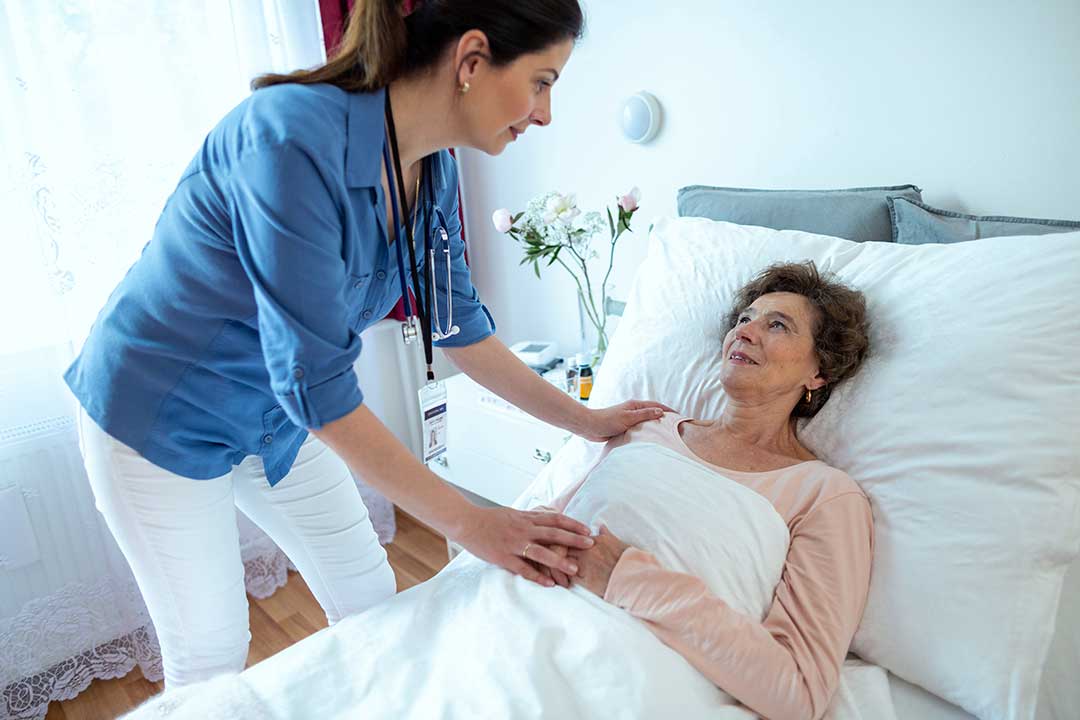
Being in a small town like Pitcairn, word-of-mouth is invaluable. Don’t hesitate to ask neighbors, church friends, or local healthcare providers for recommendations and honest opinions.
Financial Planning for Care in Pitcairn
The cost of care can vary widely depending on the chosen level. In Pennsylvania, there are both public and private programs—like Medicaid waivers, veterans’ benefits, and state-specific programs—that can help. Consult with a local social worker or financial advisor who understands the resources available in Allegheny County to create a sustainable plan.
Supporting Local Lifestyle and Values
Many families in Pitcairn cherish their traditions, neighborhood connections, and the ability to participate in local life. When evaluating care options, prioritize those that:
- Welcome local involvement, whether through visits, events, or partnerships with local organizations
- Support the desire to stay close to familiar places, such as the library, community park, or local shops
- Offer religious or spiritual support from nearby churches
For seniors who have lived their whole lives in Pitcairn, continuity and familiarity can make the transition to care much smoother and more positive.
Conclusion: Making the Right Choice for Your Loved One
Deciding on the right level of care is a deeply personal process—one that balances health, happiness, and the importance of remaining anchored in the Pitcairn community. Start with an honest assessment, explore local resources, and involve everyone in open, compassionate discussions.
Remember, the right care option is the one that offers safety, dignity, and a sense of belonging. With its tradition of neighborly support, Pitcairn is an excellent place to find the care and community every senior deserves.
For more guidance tailored to your family’s needs, don’t hesitate to reach out to local elder care professionals or support groups in the area. Your loved one’s well-being is worth every careful step.
