
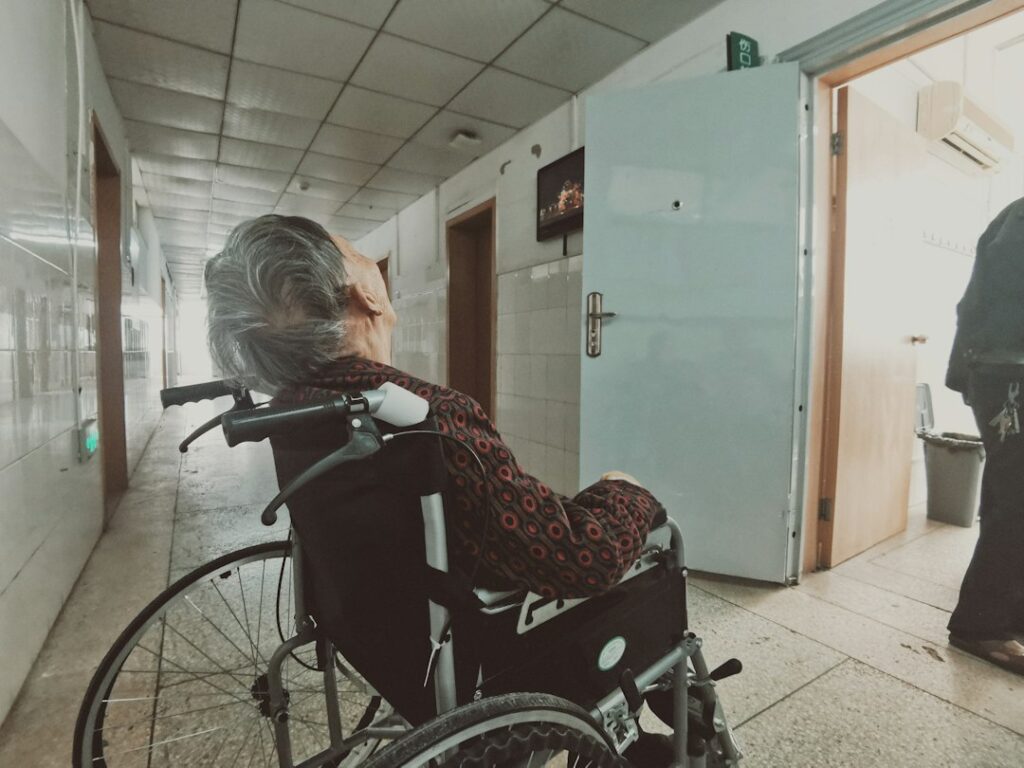
Falls are a leading safety concern for older adults in assisted living, but many falls can be prevented. The most effective approach combines safer surroundings, appropriate footwear, regular movement, medication review, good lighting, and a clear plan for responding to changes in balance or strength.
Why are falls more common in assisted living?
Falls may happen because of several factors rather than one single problem. Aging can affect balance, vision, muscle strength, reaction time, and the ability to adjust quickly after a trip or slip. Health conditions such as arthritis, diabetes, low blood pressure, osteoporosis, Parkinson’s disease, or previous stroke can also increase risk.
Medications may contribute as well. Drugs that cause drowsiness, dizziness, blurred vision, or a sudden drop in blood pressure can make standing and walking less stable. Common examples include some sleep medicines, blood pressure drugs, pain medicines, and medications used for anxiety or depression.
A fall risk can change from week to week. An illness, dehydration, new prescription, poorly fitting shoes, or a temporary decline in strength may create a problem that was not present before.
What should an assisted living room be checked for?
The walking path between the bed, bathroom, chair, and doorway should remain clear. Furniture, electrical cords, oxygen tubing, loose rugs, and personal items can create trip hazards, especially during nighttime bathroom trips.
Helpful room-safety measures include:
- Remove loose throw rugs or secure them with appropriate non-slip backing.
- Keep frequently used items within easy reach.
- Use night-lights between the bed and bathroom.
- Make sure lamps and switches are easy to reach without crossing the room in darkness.
- Keep walker and cane placement consistent so mobility devices are not out of reach.
- Avoid low furniture that is difficult to see or rise from.
- Use chairs with firm seats and armrests when extra support is needed.
- Keep floors dry and promptly report spills or damaged flooring.
A room should be arranged around the resident’s actual routine. If someone regularly gets up at night, the safest path is the path used at night—not simply the path that looks clear during the day.
How can bathrooms be made safer?
Bathrooms are high-risk areas because water, hard surfaces, tight spaces, and changes in height often occur together. A resident should not need to reach across a wet floor or twist awkwardly to sit down.
Safety features may include:
- Grab bars installed securely near the toilet and inside the bathing area.
- A stable shower seat when standing for long periods is difficult.
- A hand-held showerhead that allows bathing while seated.
- Non-slip flooring that remains secure when wet.
- Raised toilet seating when a low toilet makes sitting or standing difficult.
- Adequate lighting, including a switch that is easy to locate.
- A way to request assistance without walking through the bathroom while unsteady.
Towel bars are not designed to support body weight and should not be used as grab bars. Any equipment that is loose, cracked, or unstable should be reported promptly.
What footwear helps prevent falls?
Secure, well-fitting footwear is safer than slippers that slide off or socks worn on smooth floors. Shoes should have a firm sole, good traction, and a closed or securely fastened design. The heel should not slip, and the toe area should allow enough room for comfortable movement.
Walking barefoot may increase the chance of slipping or stepping on an unnoticed object. Socks with non-slip soles can be useful in some situations, but they should not replace stable footwear for longer walks or outdoor movement.
Seasonal conditions in Pitcairn can make footwear especially important. Wet leaves, tracked-in rain, snow, and ice near entrances can create changing surfaces. Shoes used outdoors should provide dependable traction, while wet footwear should be dried before it is worn indoors.
How do lighting and vision affect fall risk?
Poor lighting can hide changes in floor height, furniture edges, spills, and obstacles. Glare can be just as problematic as darkness, particularly for someone with cataracts or other vision changes.
Use even, comfortable lighting in bedrooms, hallways, bathrooms, stair areas, and entrances. Avoid sharply contrasting light and dark areas when possible. Window coverings may help reduce glare during bright parts of the day.
Routine vision checks are useful because prescription changes can affect walking confidence and depth perception. Eyeglasses should be clean, easy to locate, and appropriate for the activity. Bifocals and progressive lenses can require extra caution on stairs or uneven surfaces because the wearer may misjudge where the floor begins.
What should residents do before standing or walking?
Sudden movement can cause dizziness, especially after lying down or sitting for a long time. A safer routine is to:
1. Move slowly from lying to sitting.
2. Sit at the edge of the bed or chair for a moment.
3. Place both feet firmly on the floor.
4. Check for dizziness or lightheadedness.
5. Stand while using a stable support if needed.
6. Pause again before walking.

A walker or cane should be within reach before standing, but it should not be used to pull the body up unless it is specifically designed and positioned for that purpose. Furniture with wheels, lightweight tables, and unstable objects are poor substitutes for support.
If dizziness occurs repeatedly, the symptom should be reported rather than ignored. Frequent lightheadedness may be related to medication, dehydration, blood pressure changes, infection, or another condition requiring attention.
How can strength and balance be maintained?
Regular, appropriate movement can help preserve leg strength, flexibility, coordination, and confidence. Activities may include guided walking, seated leg exercises, standing practice, gentle stretching, or balance exercises approved for the resident’s abilities.
Exercise should match current health and mobility. Someone who has recently fallen, feels unsteady, or has a new medical problem may need individualized guidance before beginning unfamiliar exercises.
Long periods of bed rest or sitting can weaken the muscles used for transfers and walking. Short, regular periods of safe activity are often more practical than trying to exercise intensely once in a while.
Adequate food and fluids also support safe movement. Dehydration may contribute to weakness, confusion, and dizziness. Reduced appetite, difficulty swallowing, or fear of needing the bathroom should not lead to routinely avoiding food or fluids without medical guidance.
What role do medications play in fall prevention?
Medication review is an important part of fall prevention, particularly after a fall or near-fall. Residents and family members should keep track of new prescriptions, dose changes, and symptoms that began after a medication was started.
Possible warning signs include:
- New sleepiness or confusion.
- Dizziness after standing.
- Blurred vision.
- Unusual weakness.
- Shuffling or slower walking.
- Feeling unsteady at a particular time of day.
Medication should never be stopped suddenly without direction from the prescribing clinician. The useful question is not whether a medicine is “good” or “bad,” but whether its benefits and side effects are being monitored in the context of the resident’s current fall risk.
What should happen after a fall or near-fall?
A person who falls should not be lifted immediately unless there is no danger and the person can move safely. First check for severe pain, bleeding, head impact, confusion, inability to move, or possible neck, back, or hip injury. Emergency help may be needed for severe symptoms, loss of consciousness, trouble breathing, major bleeding, or a suspected fracture.
Even when no injury is obvious, the fall should be reported and documented. A near-fall is also valuable information. It may reveal a loose shoe, poor lighting, weakness, dizziness, or a problem with the walking route before a more serious injury occurs.
Afterward, the circumstances should be reviewed: What time did it happen? Was the person turning, reaching, rushing to the bathroom, or walking on a wet surface? Was a mobility aid being used correctly? These details can guide practical changes.
How can families help with fall prevention?
Families can ask clear questions during visits and share changes they notice. Useful observations include slower transfers, repeated bruising, reluctance to walk, new furniture clutter, or increased difficulty managing shoes and clothing.
A family member can also help confirm that eyeglasses, hearing aids, mobility devices, and supportive footwear are available and used correctly. Seasonal visits may be a good time to check whether coats, boots, or layers restrict movement or make it harder to use a walker.
Fall prevention works best as an ongoing safety routine rather than a one-time room inspection. Small changes—better lighting, a clearer route, safer footwear, reviewed medications, and timely reporting of dizziness—can reduce hazards while supporting independence.
