
Living alone does not always mean feeling lonely, and moving into assisted living does not automatically solve every social challenge. However, a well-designed assisted living setting can make regular human connection easier, safer, and more consistent for older adults who have become isolated at home.
For residents and families in Pitcairn, PA, this may be especially relevant when winter weather, mobility limitations, transportation concerns, health changes, or the loss of nearby friends and relatives make ordinary social contact more difficult.
What is the difference between loneliness and social isolation?
Loneliness is the personal feeling of being alone or disconnected. Social isolation is the lack of regular contact, relationships, or participation in community life. A person can experience one without the other.
For example, an older adult may live alone but feel content because family members call often and the person participates in regular activities. Another person may live with relatives yet feel lonely if conversations, shared activities, and emotional support are limited.
Isolation can develop gradually after:
- The death of a spouse or close friend
- Retirement or reduced ability to drive
- Hearing or vision changes
- Difficulty walking or managing stairs
- Recovery from an illness or hospitalization
- Depression, anxiety, or memory problems
- Family members moving farther away
- Severe winter conditions that discourage travel
These changes can reduce social contact long before a family realizes that a person is spending most days alone.
How does assisted living create more opportunities for connection?
Assisted living places daily routines in a shared environment. Residents typically have access to common dining areas, activity spaces, lounges, outdoor areas, and scheduled programs. These shared spaces create natural opportunities for brief conversations as well as longer friendships.
The value is not limited to formal activities. Social connection may happen during:
- Breakfast or dinner
- A hallway conversation
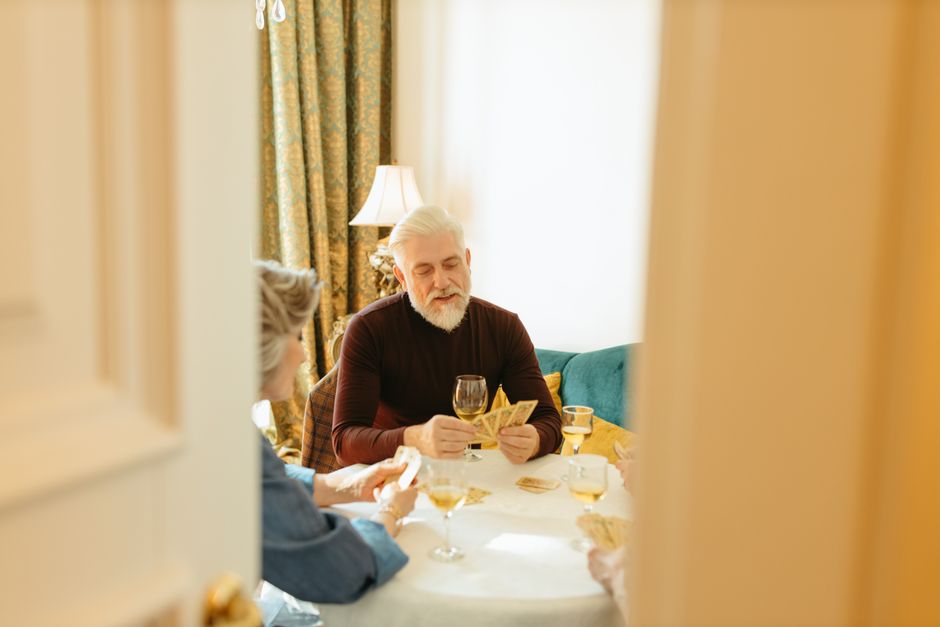
- A card game
- A religious or cultural gathering
- Exercise or movement classes
- A shared television program
- A birthday celebration
- A conversation with staff during a daily check-in
For someone who rarely leaves home, these ordinary moments can provide a dependable rhythm of interaction. Regular contact also allows others to notice changes in mood, appetite, energy, or behavior.
Which assisted living activities help prevent isolation?
Activities are most useful when they match a resident’s interests, abilities, and comfort level. A large group event may appeal to one person but overwhelm another. Effective programs usually offer a mix of social, creative, physical, educational, and quiet activities.
Examples may include:
- Small discussion groups
- Music, singing, or listening sessions
- Arts and crafts
- Gardening or seasonal decorating
- Gentle stretching and walking
- Games such as cards, puzzles, or bingo
- Cooking demonstrations
- Reading groups
- Community or faith-based gatherings
- Family events
- Reminiscence conversations about work, hobbies, or local history
Residents do not need to attend everything. The goal is to make participation available without making socializing feel like an obligation.
Small-group activities can be particularly helpful for people who are shy, have hearing difficulty, or are adjusting after a major life change. A staff member may help introduce residents with similar interests or encourage someone to attend an activity for only a short time at first.
Can assisted living help older adults who have mobility or transportation limits?
Yes. Reduced mobility and limited transportation are common causes of isolation. A person who cannot safely drive, walk long distances, or manage uneven outdoor conditions may gradually stop attending appointments, visiting friends, or participating in community activities.
An assisted living setting can reduce some of these barriers by placing meals, social spaces, activities, and basic assistance closer to the resident’s living area. Depending on the setting, transportation may also be available for medical visits, errands, or planned outings.
This can be useful during icy or snowy periods in western Pennsylvania, when outdoor travel and walking may become more difficult. It does not replace a person’s outside relationships, but it can provide social contact on days when leaving home is impractical.
Families should ask specifically about accessibility, transportation arrangements, outdoor safety, and how residents are supported during poor weather. These details can have a direct effect on how much a person participates.
How do staff members support social connection?
Staff support can make the difference between simply living near other people and actually becoming part of a community. Staff may learn a resident’s history, interests, communication style, and preferred routine. That knowledge can help them notice when a person is withdrawing.
Helpful support may include:
- Offering introductions to other residents
- Inviting a resident to a small activity
- Checking in after a missed meal or program
- Helping with hearing aids, walkers, or other practical barriers
- Encouraging visits or video calls with family
- Including residents in decisions about activities
- Adjusting programs for different physical or cognitive abilities
Staff should support participation without treating refusal as a problem. An older adult may need quiet time, privacy, or a gradual adjustment period. Respectful encouragement is different from pressure.
Does assisted living replace family and community relationships?
No. Assisted living can add daily opportunities for connection, but it should not be viewed as a replacement for family, friends, neighbors, faith communities, or familiar community routines.
Visits remain valuable even when they are brief. A family member might share a meal, bring photographs, help with a favorite hobby, or simply sit and talk. Regular phone calls can also help, especially when travel is difficult.
Connection is often stronger when visits focus on the resident’s interests rather than only on health updates. Talking about family stories, music, sports, former jobs, crafts, or local memories may feel more natural than asking repeated questions about symptoms.
What signs suggest that an older adult may be isolated?
Isolation is not always obvious. Warning signs may include:
- Frequently declining invitations
- Spending most of the day in bed or alone in a room
- Losing interest in familiar hobbies
- Missing meals or activities
- Speaking less than usual
- Showing irritability, sadness, or unusual worry
- Neglecting personal care
- Reporting that there is no one to talk to
- Experiencing more confusion or difficulty managing routines
These signs can also be related to depression, medication effects, hearing loss, pain, or cognitive changes. A sudden or significant change deserves attention from a qualified health care professional, particularly if there are concerns about safety, self-neglect, or thoughts of self-harm.
What should families ask about social life before choosing assisted living?
Families should look beyond the appearance of a building and ask how daily life actually works. Useful questions include:
- How are new residents introduced to others?
- Are activities offered in small groups as well as large groups?
- What happens if a resident does not attend meals or programs?
- Are residents involved in planning activities?
- How are people with memory loss or hearing difficulty included?
- Are outdoor spaces accessible and usable in different seasons?
- Is transportation available for planned outings or appointments?
- How does the setting support family visits and private conversations?
- What options exist for residents who prefer quieter activities?
The best fit is not necessarily the place with the longest activity calendar. It is the setting where an older adult can participate at a comfortable pace, maintain personal preferences, and form genuine relationships.
